When the Floor Goes Quiet: Timing Your Play for Maximum Club Value
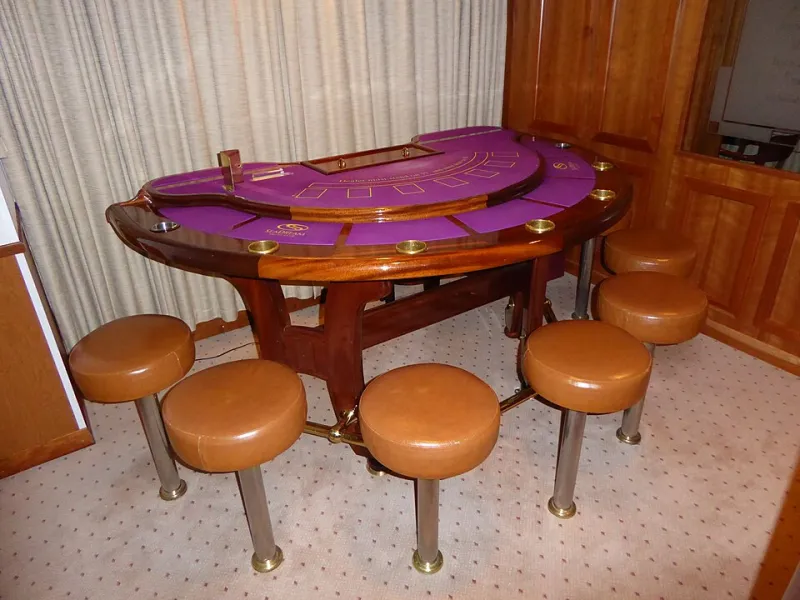
Photo: User:Mattes, CC BY 2.0 de, via Wikimedia Commons
There is a particular kind of silence that settles over a premium gaming platform at two in the morning Eastern Time. The live dealer tables thin out. The sportsbook's betting markets settle into overnight lines. And behind the scenes, something important happens: everything gets faster.
For most members, this observation is trivia. For the disciplined ones, it is a strategy.
The Congestion Problem Nobody Talks About
Premium gaming clubs invest heavily in infrastructure, but no infrastructure is immune to demand curves. Between 7 p.m. and midnight in any US time zone — and especially on weekends — withdrawal queues lengthen, live casino seats fill, and support inboxes stack up. The platform performs identically; the experience does not.
Consider what the off-peak window actually looks like in practice:
- Withdrawals initiated between 1 a.m. and 6 a.m. ET typically clear ahead of the morning processing wave, meaning your request sits at the front of the line rather than behind hundreds of others.
- Live dealer tables operate with open seats, unhurried rounds, and dealers who can accommodate questions about table limits and side bets.
- Customer support shifts from queue-based triage to genuine conversation, with response times measured in seconds rather than tens of minutes.
None of this is advertised, because none of it needs to be. It is simply a function of arithmetic — fewer simultaneous members means more resources per member.
The Night Owl's Natural Edge
There is a second layer to this: the night owl is often a sharper player. Fatigue is real, and we do not recommend playing tired. But the member who has deliberately built a late-evening routine — a member who is awake, rested, and playing at 2 a.m. because their schedule allows it — faces a table environment with fewer impulsive players, slower game pacing, and fewer distractions.
For sports bettors, the overnight window is when books post opening lines and when sharp early movement is most visible. A member who reviews overnight NFL or NBA lines at 3 a.m. ET is reading markets before the recreational money arrives to move them. That is not a guarantee of profit, but it is a genuine informational edge.
Building the Off-Peak Schedule
A practical framework, refined over months of member behavior data:
- Reserve peak hours for research, not play. Use the crowded evening window to study results, review statements, and plan sessions.
- Schedule live table sessions in the 1 a.m.–5 a.m. ET window if your time zone and lifestyle permit. Fewer players per table means more hands per hour and a calmer pace.
- Batch withdrawals overnight. Initiate payout requests late at night so they land at the top of the morning processing queue.
- Save complex support inquiries for after midnight. Detailed questions about reward structures or account terms get fuller, faster answers when ticket volume is low.
A Caveat Worth Honoring
Timing strategy is a tool, not a license. The member who plays at 2 a.m. because they cannot sleep is not executing a strategy — they are compounding a problem. The off-peak advantage only accrues to members who are choosing that window deliberately, with a clear bankroll plan and a defined stopping point.
The club experience rewards intention. Some of that intention shows up in how you play. Some of it, it turns out, shows up in when.